

The call no longer guarantees a conversation.
The phone remains a fundamental channel, but the trust that once made answering without hesitation natural has eroded.
- Unwanted call fatigue: Users receive an overwhelming volume of unwanted calls and increasingly ignore unknown numbers.
- Collateral damage for brands: Legitimate brands suffer from the widespread distrust caused by spam and phone fraud.
- Caller ID spoofing: Impersonation and number spoofing make it difficult to verify who is actually behind an incoming call.
- Operational friction: Agents spend valuable time overcoming identity verification and trust hurdles before they can even address the customer’s needs.
- Regulatory pressure: Tightening regulations raise the bar for transparency, consent, response times, and protection against fraudulent communications.
For Contact Centers and BPOs, this is far more than a marketing challenge. It directly impacts agent productivity, regulatory compliance, brand reputation, fraud prevention, and overall customer experience.

Contacting is not about interrupting. It is about building trust.
For the Contact Center, contactability has traditionally been treated as a dialing KPI: outbound attempts converted into connected calls. Strategies to improve it usually fine-tune dialing algorithms, test different phone number pools, or optimize call timing. While these tactics maximize the technical ability to place a call, they fail to address what actually motivates a person to answer.
Unknown callers
Unrecognized numbers with no context or reference to indicate whether the call is legitimate.
No context
Recipients don’t know if the call is about a promotional offer, an overdue balance, a medical appointment, or a bank alert—nor can they gauge its true urgency.
Intrusiveness
Calls during standard business hours that disrupt personal time or arrive at an inconvenient moment.
Harassment
Repeated contact attempts that increase channel fatigue, alienate the user, and ultimately lead to number blocking.

Contactability starts with the person, not the technology.
For the recipient, being contactable isn’t just about receiving a phone call. It means the communication happens at the right time, with a clear reason to answer, and under a legitimate relationship.
Three conditions must be met for a communication to turn into a meaningful interaction.
Being reachable at that moment.
The channel, timing, and conditions of the communication must align with the individual’s current situation.
Consumer Insight: Availability does not mean the agent is free; it means the person is ready to interact.
Willingness to Answer
Recognizing who is calling and why before picking up.
Consumer Perspective: Contactability is not about forcing an answer. It is about creating the conditions that make answering make sense.
Having a Legitimate Relationship to Contact
Understanding why an organization is allowed to contact a person, the nature of their relationship, and under what conditions the communication can take place.
Consumer Perspective: Trust is not built solely by revealing who is calling. It also depends on knowing why they are allowed to make that call.
When a Call Goes Unanswered
THE ABILITY TO CONTACT BELONGS TO THE SENDER.
THE DECISION TO ANSWER BELONGS TO THE RECIPIENT.
TRUST CONNECTS BOTH SIDES.
Unwanted contact carries a high legal and reputational cost.
For Contact Centers and BPOs, evolving regulatory frameworks don’t mean giving up the ability to communicate at scale. The real challenge is ensuring that every contact attempt has a higher probability of becoming a legitimate, expected, and useful interaction.
ePrivacy Directive & GDPR (Consent & Opt-Out)
EU regulations strictly enforce opt-in consent for outbound marketing communications and mandate clear, frictionless opt-out mechanisms. Non-compliance exposes organizations to severe penalties from Data Protection Authorities across Member States.
Caller ID Spoofing & Numbering Regulations
European telecom regulators are enforcing strict anti-spoofing directives and restricting the use of unverified or mobile number pools for automated outbound campaigns, mandating traceably authorized number ranges.
Customer Service Standards & Accessibility (EU Directives)
European consumer protection standards increasingly mandate clear separation between commercial and customer support channels, enforcing strict SLAs for human agent access and 24/7 availability for critical service incidents.
Do Not Call Registries & DPA Enforcement
National preference registries across the EU remain fully active, with legal accountability extending directly to enterprise brand owners, even when outsourcing voice campaigns to third-party BPOs.
CONTACTABILITY STARTS BEFORE THE PHONE RINGS.
Antes de la llamada
Identity, reputation, context, consent, and optimal timing. This is where we ensure the recipient can recognize and value the contact attempt before deciding to answer.
DURING THE CALL
Agent identification, secure, and authenticated interaction. The goal is to maintain trust once the communication channel is established.
AFTER THE CALL
Continuity, traceability, and follow-up. The interaction does not end when the call hangs up: it must be able to continue without losing context or confidence.
Key Capabilities to Improve Contactability
1. Making the contact recognizable
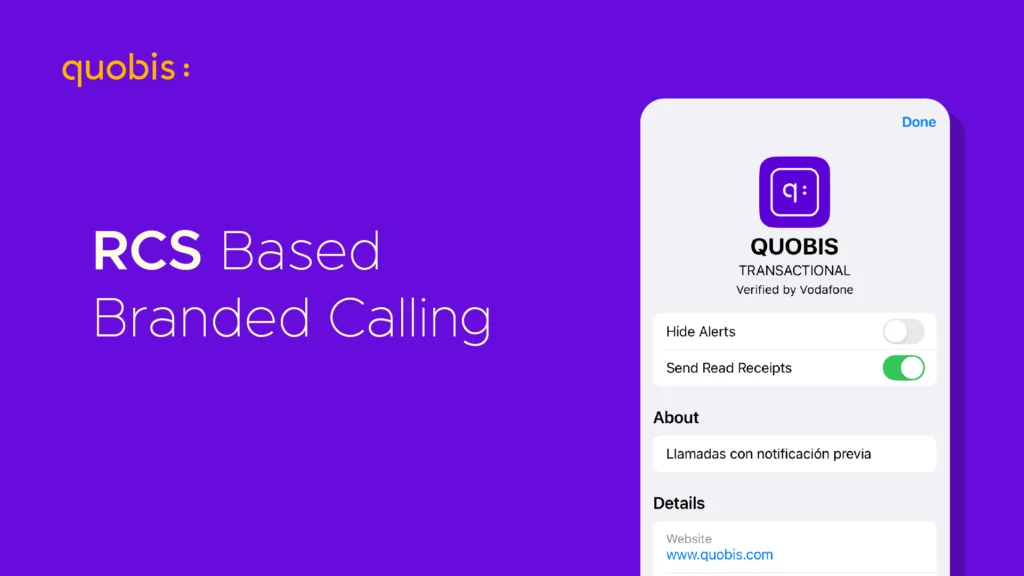
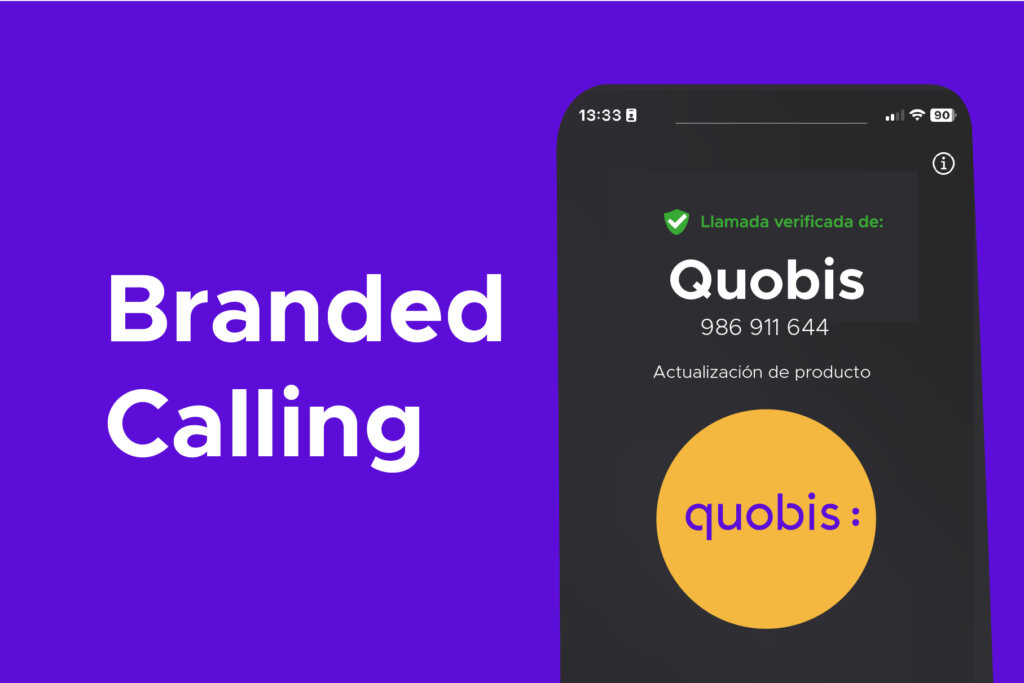
Branded Calling and Contextual Calls
2. Providing context before answering
RCS and Rich Notifications
3. Proving the call is legitimate
Caller ID & anti-spoofing
4. Managing risk
Call Filtering and Risk-Based Routing
- Block or flag suspicious calls.
- Prioritize trusted communications.
- Apply tailored policies based on risk level, campaign, customer segment, or regulatory restrictions.
5. Enabling an efficient interaction
Voice AI and Orchestration
6. Maintaining security, availability, and communication resilience
Voice Security and Resilience
Where Contactability Makes the Difference
Strategy, Architecture, and Technology