

Similar Posts
5 keys in business communications today
Business communications continue to evolve through a series of market, cultural and technological trends driven by the digital transformation of business networks. Let’s talk about some of these trends. The long goodbye of physical endpoints Where is the telephone? The era of the office (physical) phone system is coming to an end. The rapid changes…
Sippo for frontline workers
One of the key points of Sippo collaborator is the flexibility to adapt to the existing assets of the customers. UC market is mature with big players (Cisco, MS Skype for business, etc), so our role is work together with customer in those scenarios where the industry standard solutions are not convenient. Typically, these traditional…
Buy vs build dilemma with Sippo
Sippo is the name of a WebRTC product family authored by Quobis which includes the following products: Sippo WebRTC Application Controller (or Sippo WAC): the server which provides the services. Sippo WebRTC Apps: reference web applications which leverage the main features provided why the WAC. Two current application available: Sippo Web Collaborator: Reference enterprise WebRTC…
Quobis announces Sippo version 2 in GA
Quobis®, the leader in WebRTC applications for service providers, today announced a new version of Sippo WebRTC Application Controller and its associated use cases. This version includes support for different devices and browsers and includes responsive design for mobile devices. Sippo Web Collaborator is available for iOS and Android devices as a native application and both Sippo Web Collaborator and Sippo Click…
Leveraging customer care in e-commerce
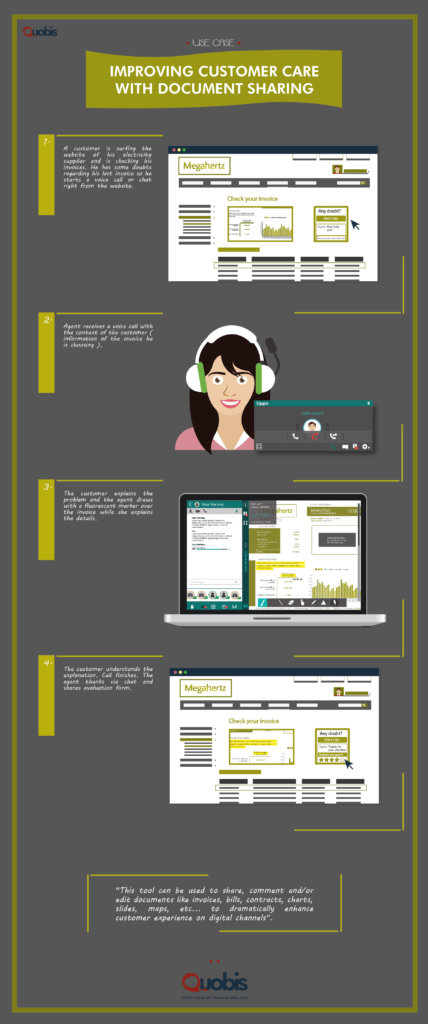
by iago.soto | Sippo and WebRTC, in general, are excellent enablers to improve customer care in e-commerce websites. You have your customers using a browser to navigate and shop, so when they need to get in contact with your support, they probably prefer to use the same device. In addition, it provides a set of…
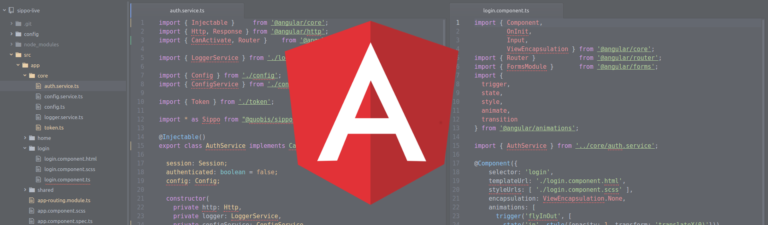
Web Technologies – Angular (Part 1)
This is the first post of a serie about web technologies that we can use to build high quality SippoJS applications. These topics can be very dense so we will only offer an overview of these technologies. In the following weeks we will introduce some other tools, such as the framework for styling our web…