
Similar Posts
Sippo certification webinar on Feb 16
On February 16th, 2017, our colleagues Santiago Troncoso and Marcos Cereijo will be speaking about the new features provided by the release 3.0, including how to integrate Sippo in real environments. The session will last about 2 hours. You can be certified as a Quobis partner after attending this training. – Section 1: Sippo WAC…
How Quobis is improving Non-Desk Based Workers communications in Retail
The retail has its own communications challenges, and Quobis is facing some of them, particularly those that are related to workers that spend their time interacting directly with their clients around the shop. Retail, a challenging scenario for corporate communications Mobility, limited access to computers, short term jobs and high workers rotation, lack of time…
Digital markets act and the interoperability of communications platforms
What is a “Gatekeeper” according to the DMA: Any company providing any of the previous services is potentially bound to this law as long as it meets some sizing criteria to be considered a Gatekeeper. The threshold to meet the Gatekeeper condition are:: Having a yearly turnover of €6.500 millions or higher in the EEA…
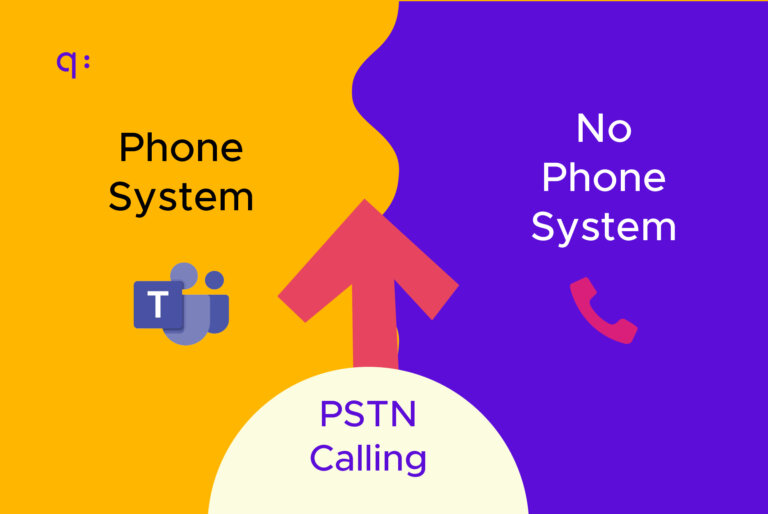
Voice Services (PSTN) Deployments based on Microsoft Teams Phone vs. Quobis Phone
MS Teams is the most popular UCaaS solution on the planet with 500,000 organizations of all sizes using it. Although some voices point to a certain growth stagnation, the reality is that 250 million active users as a whole represent a market where an entire ecosystem of services integrated with this platform can grow. Among all the possible…
Quobis will be exhibiting Sippo solutions at the WEB SUMMIT Dublin (IRELAND)
Quobis announces its first participation in the Web Summit of Dublin as exhibitor. This event will be held at the RDS Dublin (Ireland) on November 3-5, 2015. Web Summit is a technology-industry conference since 2010. The topic of the conference is centered on internet technology and attendees range from Fortune 500 companies to the world’s…
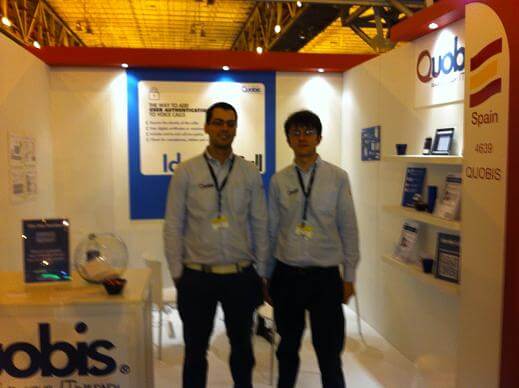
IdentityCall was shown at CTIA 2012
The booth showcased IdentityCall to service providers and voice system integrators, showing them how they can offer a new value-added call authentication services to their corporate customers (banks, insurance, health industry and public administration). To learn more about IdentitityCall by Quobis, please visit www.IdentityCall.com. About International CTIA WIRELESS® 2012 Conference & Expo May 7 & 8-10, 2012Ernest N….