
Similar Posts
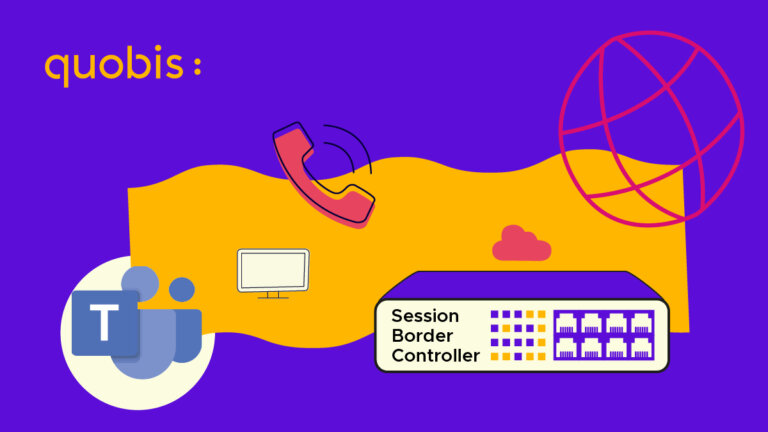
Quobis completes its voice interconnection offer for MS Teams
All ways to connect corporate voice network with MS Teams We have been among the first to offer specific solutions for the integration of voice calls (PSTN) to the users of MS Teams. Today, we can say that we cover any possible integration strategy, fulfilling our commitment to “connect them all”. MS Teams is becoming…
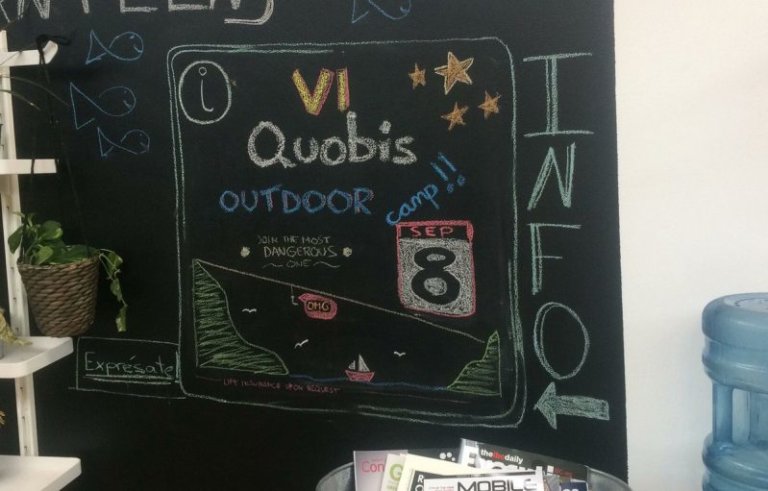
Quobis Outdoor Camp: flying 1538m
The VII Quobis Outdoor Camp was held in Pena Aventura Park in Ribeira da Pena (Portugal).
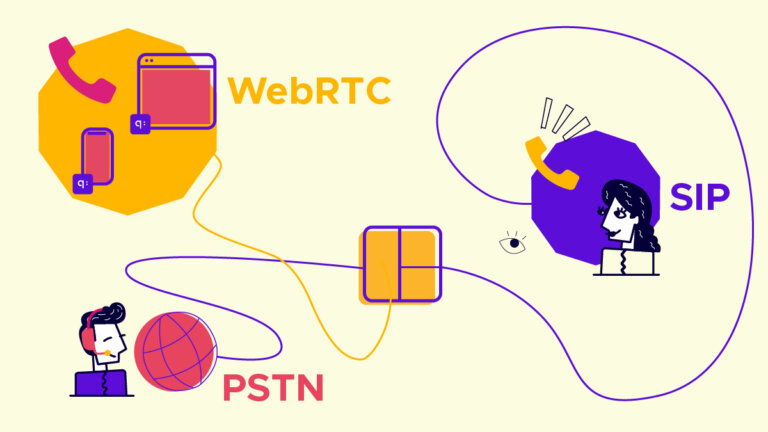
SIP interconnection today. The challenge of MS Teams
SIP interconnection is still challenging today, and emerging UCaaS solutions as MS Teams put this challenge in the core of digital transformation of communication infrastructures. Despite the protocol being designed in 1996 and standardized in 1999, it’s not direct to connect different vendor PBXs and softswitches. Based on Session Border Controller and other interconnection elements, Quobis has been…
WebRTC Barcelona meetup – MWC 2015 edition
The Poblenou campus Auditorium at the University Pompeu Fabra, UPF (Roc Boronat 138, Barcelona) will hold a WebRTC meetup with relevant speakers from the industry on Wednesday 4th of March, 2015, in parallel with the Mobile World Congress. Companies like Quobis, Tokbox (a company of Telefonica), Oracle, Dialogic and Presence Technology are sponsoring this community-driven…
Voice network monitoring: what metrics to use and for what?
The monitoring of voice networks provides information that prevents attacks, prevents fraud, anticipates service drops and detects anomalous patterns. Although there are elements that support advanced metrics (even with other protocols such as MEGACO, MGP, ISUP, etc) in the SIP world they are usually measured in SBC and softswitches. These are the most common metrics: IETF RFC 6076 – first specific…
SIP Interconnection options with Quobis Communications Platform
Quobis has been integrating SIP networks using both proprietary solutions (Oracle, Ribbon, AudioCodes) as well as Open Source technologies (Kamailio, Asterisk, FreeSwitch) since 2006. When building the Quobis Communication Platform core called Quobis WAC (Web Application Controller) we decided to tap into this experience. We work with various 3rd party technologies to create a platform that would be able…