

Similar Posts
Building a Social TV use case with Sippo
by iago.soto | Sippo enables different use cases of web communications like Social TV. Imagine you want to watch together with your friends a football match. Sippo includes features like group chat, push notifications, multi-conferencing and multi-device Support that make Social TV possible. Using Sippo Web Collaborator you can chat with your friends using any…
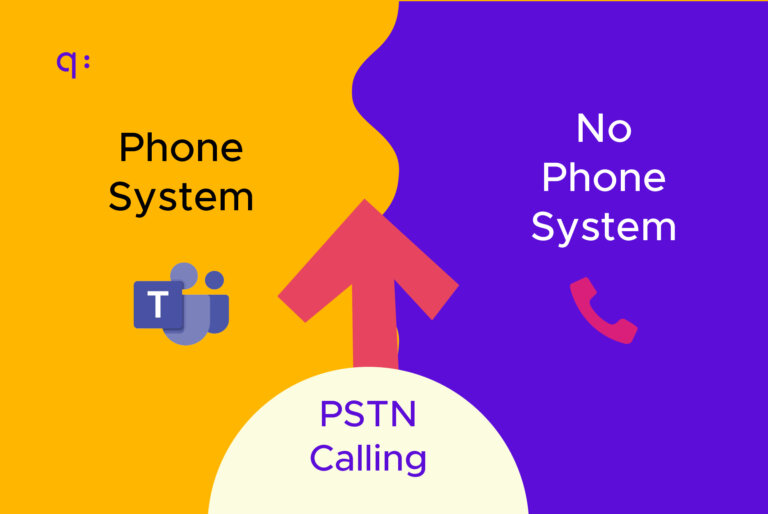
Voice Services (PSTN) Deployments based on Microsoft Teams Phone vs. Quobis Phone
MS Teams is the most popular UCaaS solution on the planet with 500,000 organizations of all sizes using it. Although some voices point to a certain growth stagnation, the reality is that 250 million active users as a whole represent a market where an entire ecosystem of services integrated with this platform can grow. Among all the possible…
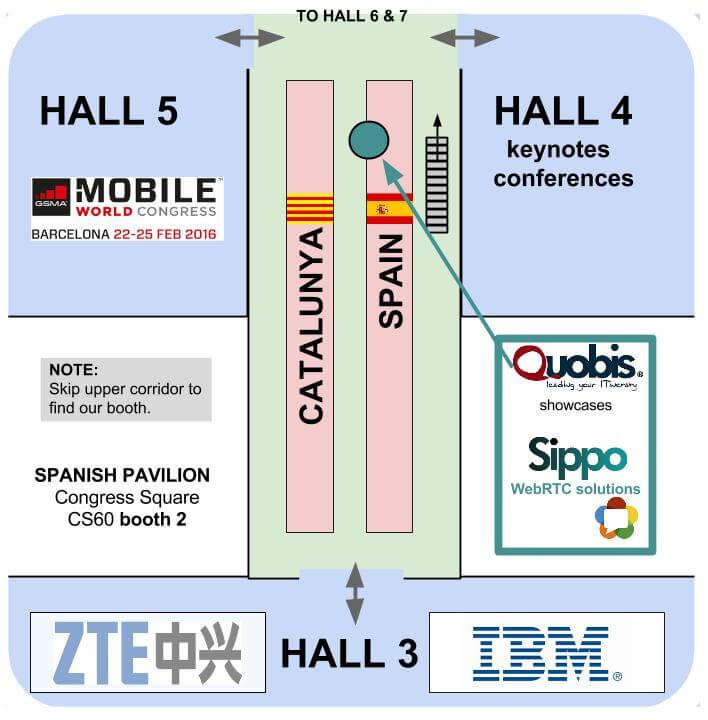
Quobis to exhibit at MWC 2016
Quobis, the leader in real-time applications for the web, today announced it will be exhibiting at Mobile World Congress 2016, to be held February 22-25, 2016 in Barcelona (Spain). Quobis’ booth (#CS60, booth #2 at the Spanish Pavilion) will showcase “Sippo WebRTC Application Controller ” (Sippo WAC) to telecom service providers, enterprises and network equipment vendors,…
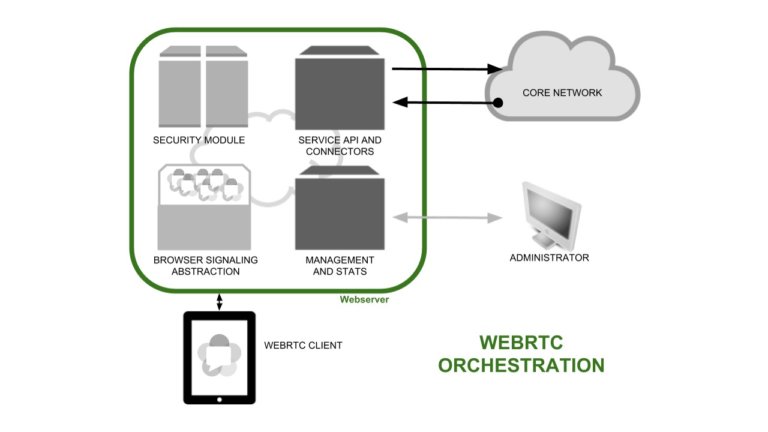
Key features of the WebRTC Application Controller
by iago.soto | The architecture or modules of the WebRTC Application Controller may vary from one vendor to another. In this chapter we will focus in those elements that are common to all the different implementations. We can group these features in six points. Abstraction Layer All the WACs include an abstraction layer that helps to hide the…
Quobis chosen as one of the leaders of Innovation in Galicia (Spain)
Quobis has been recognised in the Ardan 2016 report as one of the most innovative Galician companies. Quobis has achieved the Five-Star category in the Innovation ranking of the Economic and Competitiveness report made by “Zona Franca de Vigo” in conjunction with the Galician Innovation Agency and the University of Vigo. More information: www.ardan.es/ardan/media/ejemplos/informeardangalicia2016.pdf Over the last six…
Five points to consider for real WebRTC deployments
Original at http://blog.uppersideconferences.com/five-points-consider-real-webrtc-deployments/ There are nowadays lots of ongoing proof of concepts and field trials involving WebRTC, having some of them reached the production stage. In this post we are going to explore which problems arise when you move from the lab to a production environment. These are five points to take into account when…