
Similar Posts
NEW demo: leveraging customer care and ID verification
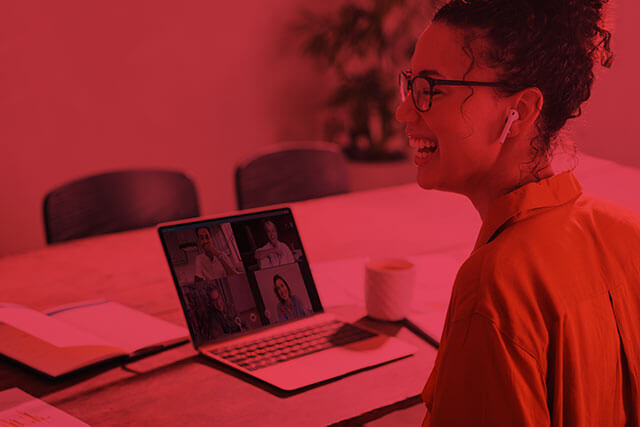
At MWC we had the opportunity to explain how Sippo is leveraging customer care in enterprises. Sippo Click to Call enables a web phone in existing web sites that allows not only to make a voice or video call with the call center of the company. Using this tool you can share your screen, allowing…
SFUs vs MCUs: which is the best way to manage multi-conferencing?
MCU the veteran and the most efficient in terms of bandwidth MCUs have been used for a long time, since the former H.323 era. Basically, it receives a stream from each participant and, after decoding, composes them into a new stream to be submitted to all the participants. So users send one stream and receive…
Sippo for frontline workers
One of the key points of Sippo collaborator is the flexibility to adapt to the existing assets of the customers. UC market is mature with big players (Cisco, MS Skype for business, etc), so our role is work together with customer in those scenarios where the industry standard solutions are not convenient. Typically, these traditional…
Quobis outdoor camp 2015
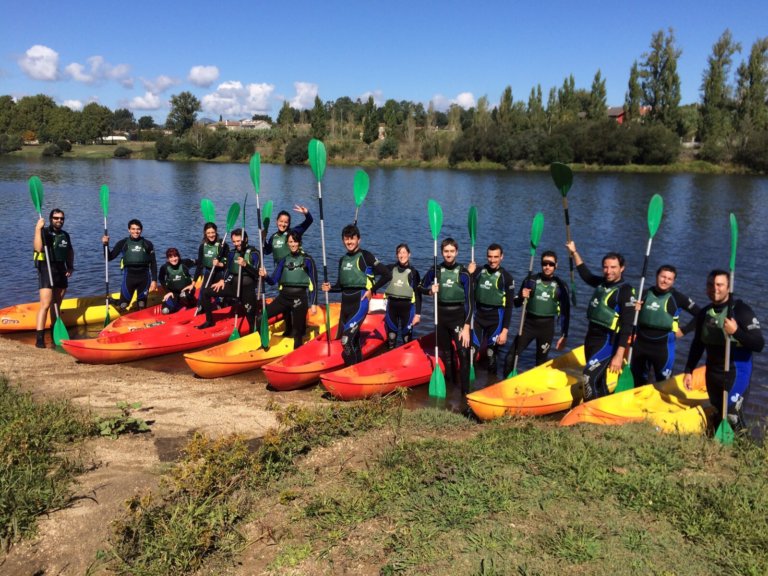
by yudani.riobo | The Minho river, the fourth most relevant river in Iberia after Douro (Porto), Ebro and Tagus (Lisbon), delineates a section of the border of Spain and Portugal. These 70 km are supposed to be the oldest border in Europe (remaining unchanged since 1143). Despite Spain and Portugal are different countries for a long time,…
Quobis completes its voice interconnection offer for MS Teams
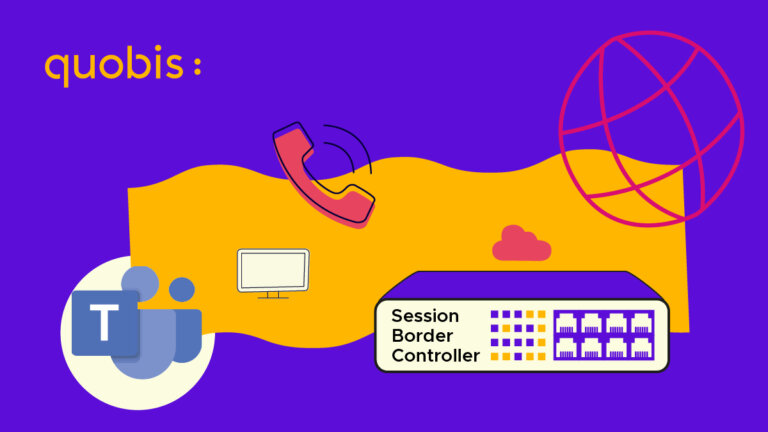
All ways to connect corporate voice network with MS Teams We have been among the first to offer specific solutions for the integration of voice calls (PSTN) to the users of MS Teams. Today, we can say that we cover any possible integration strategy, fulfilling our commitment to “connect them all”. MS Teams is becoming…
Quobis will be exhibiting Sippo solutions at the WEB SUMMIT Dublin (IRELAND)
Quobis announces its first participation in the Web Summit of Dublin as exhibitor. This event will be held at the RDS Dublin (Ireland) on November 3-5, 2015. Web Summit is a technology-industry conference since 2010. The topic of the conference is centered on internet technology and attendees range from Fortune 500 companies to the world’s…