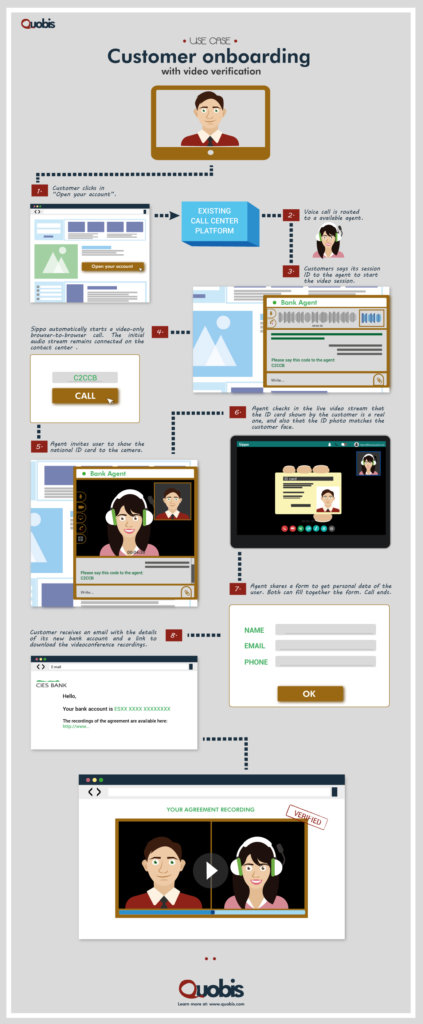
Customer onboarding



Quobis has participated in the Oracle Sponsored WebRTC Workshop at the Service Delivery Innovation (http://serviceinnovationevent.com/) event in London this week. This workshop was an open discussion on the WebRTC ecosystem with the main objectives of Gain basic understanding of WebRTC Get a clear view of WebRTC’s standarization Undertand the ecosystem around WebRTC Our CSO Victor Pascual…
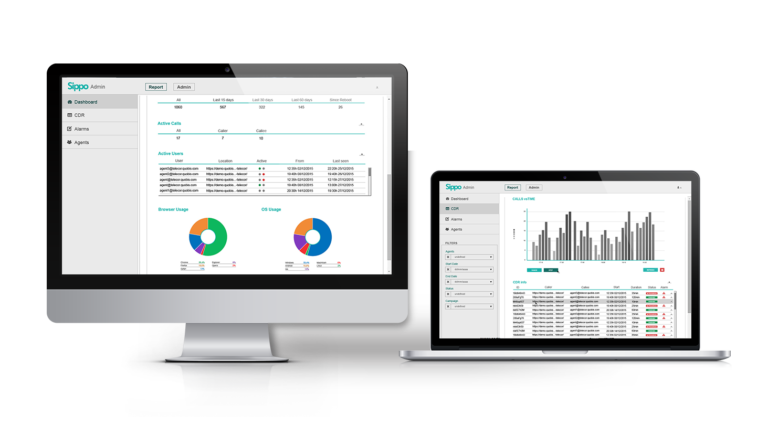
by iago.soto | Sippo WebRTC Application Controller (WAC, in short) is a solution that allows to deploy WebRTC applications fully-interconnected with existing services (AAA, OSS, BSS, etc.) and legacy VoIP or UC systems. Sippo WAC supports a number of business cases, through its APIs, ranging from a simple click-to-dial button to advanced scenarios like RCS-based…
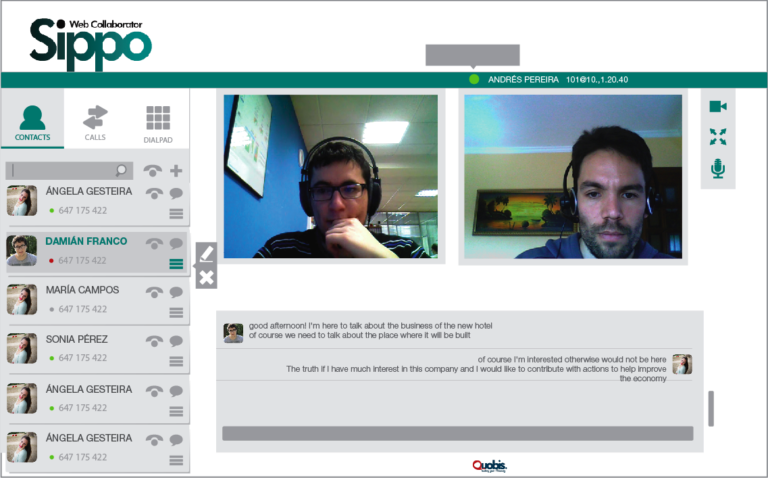
Quobis announces the participation in WebRTC as Gold Sponsor. WebRTC Conference and Expo is the place where companies, web application providers, investors and developers are going to understand the exciting opportunity that WebRTC opens and how it will challenge and change much of today’s communications landscape. This show will take place in Atlanta (Georgia), June 25-27th. Sippo…
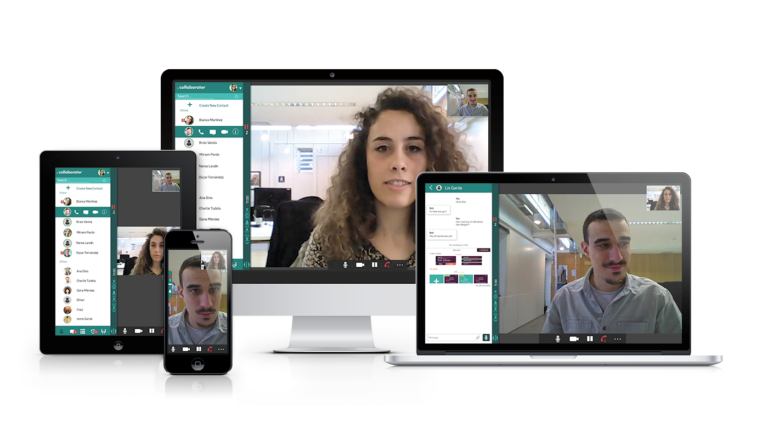
Quobis has announced the new portfolio for telcos and enterprises at the Mobile World Congress of Barcelona. For enterprises this includes two different solutions: Sippo collaborator and Sippo hub. More information in the docs attached. Sippo collaborator defined as an enterprise-grade multi-device unified communication suite fully-connected with existing customer PBXs and call center platforms. Sippo collaborator provides a complete set of advance features like…

On Wednesday, June 8, 2016, our product manager Santiago Troncoso and our PRM Yudani Riobó were speaking about the new features provided by release 2.4 and how to integrate Sippo in real environments. The session lasted about 2.5 hours. Sippo WebRTC Application Controller 2.4 1. Intro. Role of the WAC. Reference architecture (telcos and enterprise). Internal…
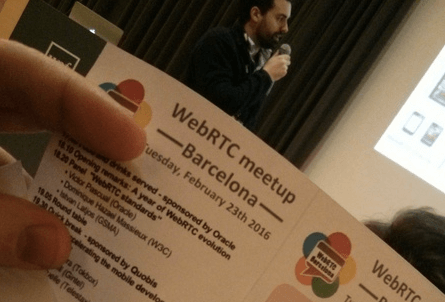
Thanks for attending the WebRTC meetup. We had 454 WebRTCers and 166 attendees at the meetup. Here are the recordings of the event: Part 1: Part 2: